


As a lasting place, in many human Settlements, Cemeteries have the same history as the city, they situated, hence, there are symbolic and socio-cultural spaces reflecting the history of city and its creators. Likened to Library of stones, historic cemeteries acts as a collective memory of society and represents the identity of its primitive participants .Presence of social and cultural concepts lied in cemeteries, represents habitancy traditions and customs of human societies that developed throughout of history. The combination of these concepts with historic monuments and gravestones exists in burial ground has caused the cemeteries to be examined as continued and authentic cultural landscape.
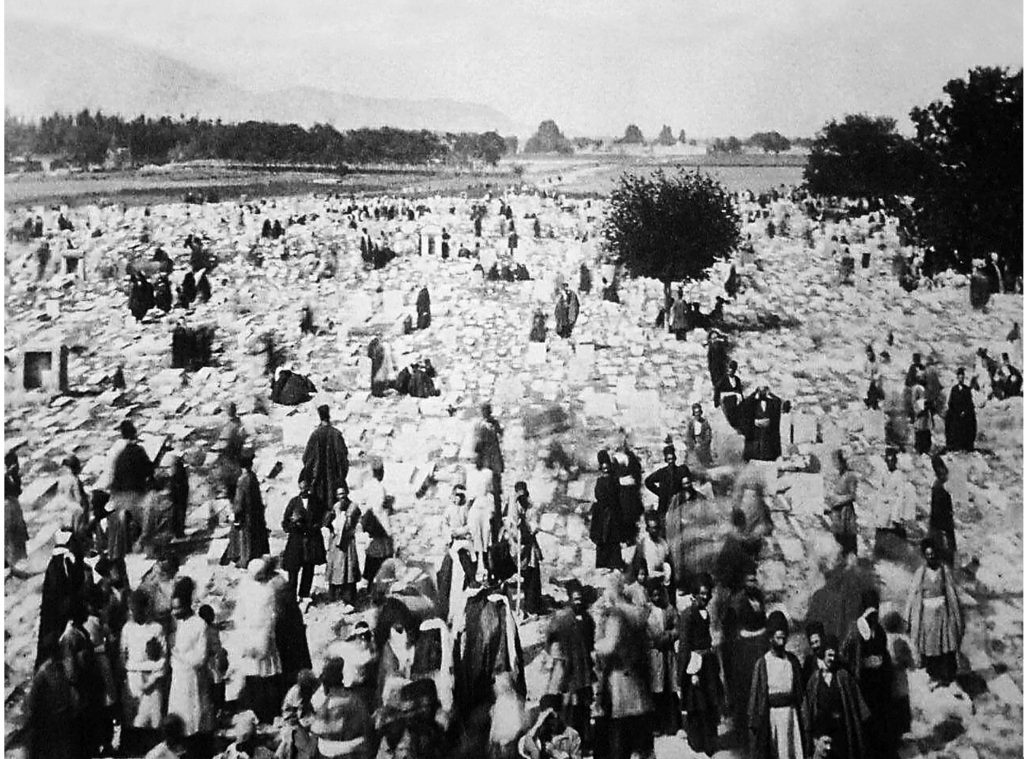
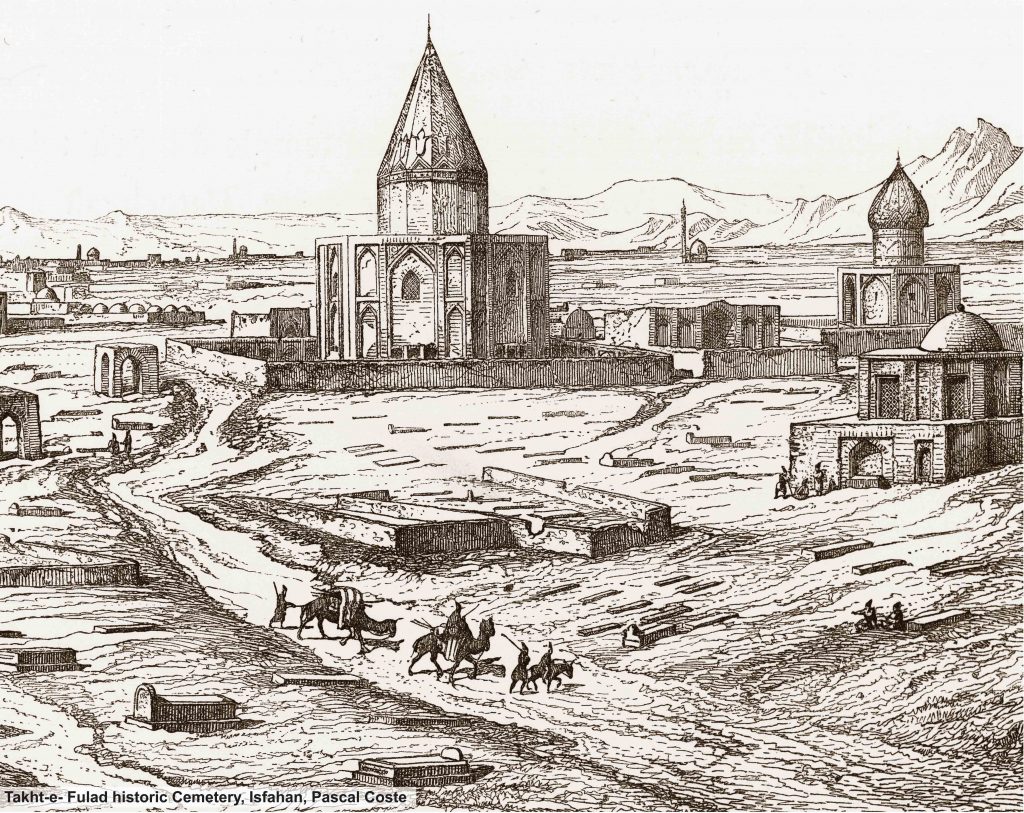
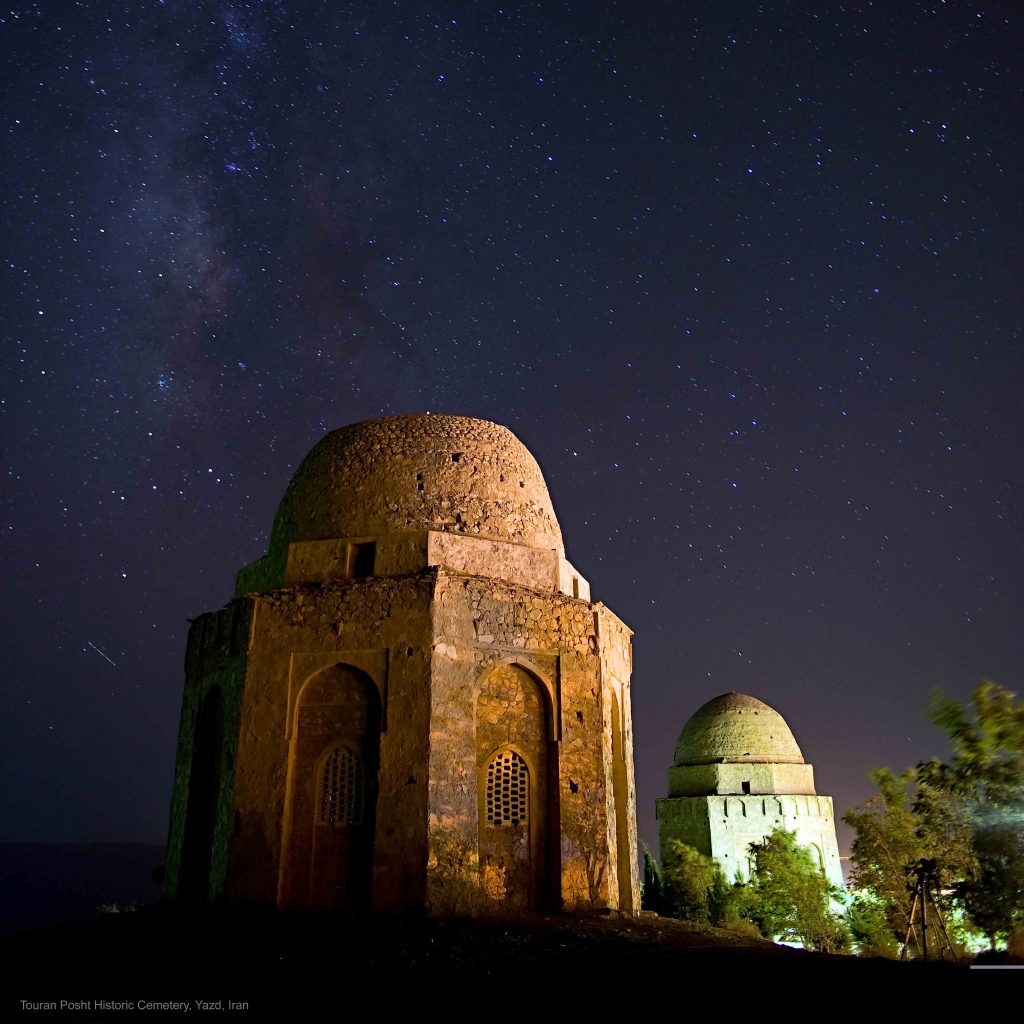
Comparative studies on Iranian historic cemeteries such as “Ebn Babevieh” & “Zahir ol dolleh”, “Dulab Christian Cemetery” and “EmamZadeh Abdullah ” in Tehran, “Takht-e- Fulad” in Isfahan and Dar-al-Salam” in Shiraz clarifies that; according to other public space that formed by urban axis, the open area of these cemeteries combined natural elements (such as vegetation’s, plants, etc.) and human-made artifacts (such as gravestones, monuments, sculptures, etc.) as a complicated subject. Iranian historical cemeteries express a fundamental relation between urban Landscape, historical factors, human organizing power, and the undeniable role of water and plants, enriching the existing fabrics by architectural and artistic concepts. The presence of Signs and mythical beliefs, architectural monuments, and historical events narrated in such places, brings a new essence into the burial Ground which enriches it both culturally and historically. By adding a ‘historical’ adjective, the cemetery becomes the subject of a specified discipline entitled ‘the Eco-historical environments of the city.
Despite the emphasis on the different values of burial grounds, it cannot denied that we have been not successful in protecting this historic landscape. Obvious reasons for this claim could be found in many destroyed cemeteries that were removed from city structures. Change the function of cemeteries, conversion of historic graveyard into public parks, changes in layouts, clearing of special funerary characters by unification and standardization of tombstones &, etc. are ample sample of illegal actions that have been faced the cemeteries with a crisis of authenticity.
By introducing the cemeteries as the collective memory of human societies and emphasis on its affective role in perception of urban historical landscapes, dilapidation of these special land, leads to destruction of city memories and its tangible & intangible values. Explaining the underlying values in Iranian funerary landscape, the research, structurally express the dialectic interactions between man and environmental factors that creates such places and explores the possibility of recovering & restoring these urban landscapes as the city memorable spaces.
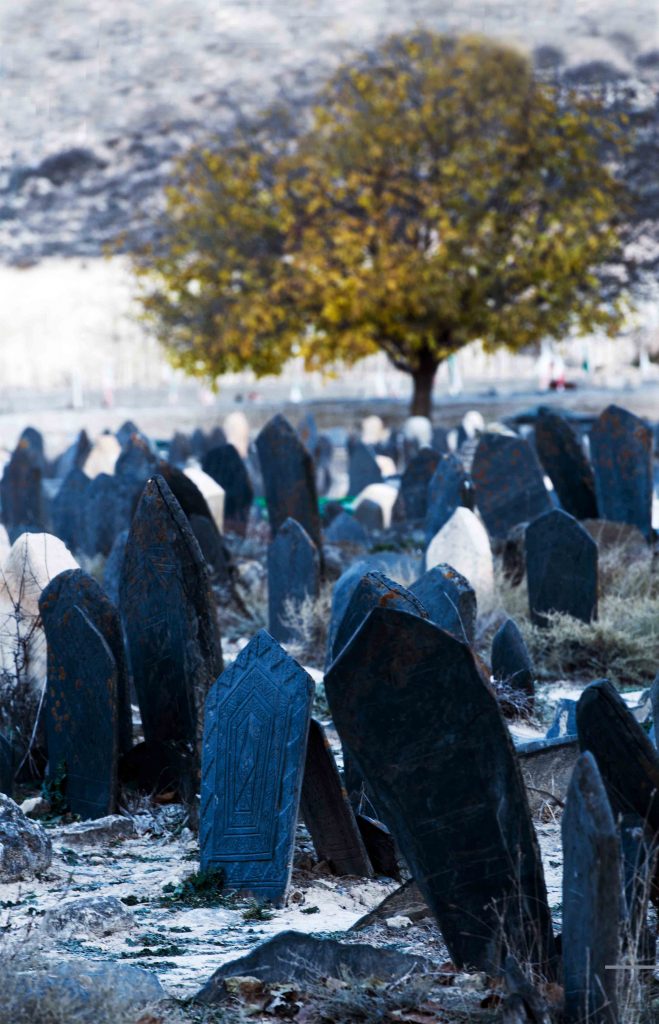
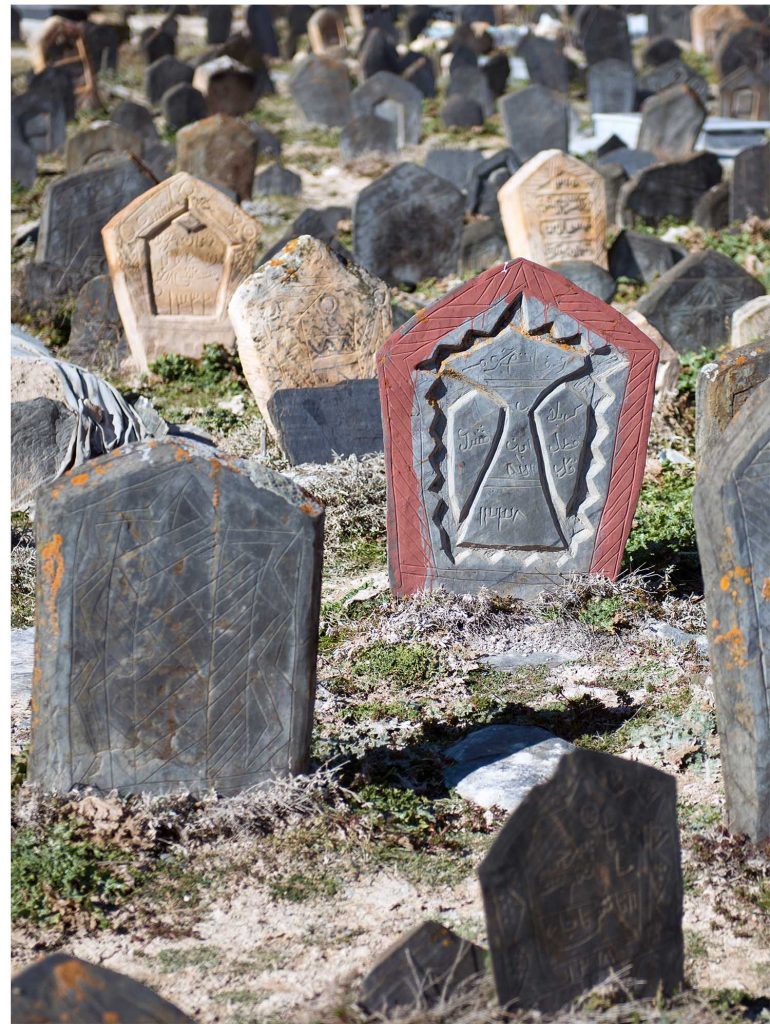
Sefid Chah, the most mysterious white ground is one of the strangest Iranian cemeteries belonging to the Timurid period. This cemetery is famous for its vertical position of the gray stones engraved with strange illustrations.
Using a hermeneutical approach to read the cemetery as a text, the thesis examines a combined methodology named “HGHC” to validate its environmental data. Based on results, cemeteries as the cultural urban landscape illustrate widespread values that can used in the reconstruction of vanished memories of townscapes. Emphasis on maintaining the structural aspects of the burial ground, insisting on minimum intervention, and revealing different meaning layers in specified layout, are the main solutions that are recommended to ensure the continuity of human values in urban landscapes.
Go to top